How to Choose a Dune Buggy Ride in Dubai
Choosing a dune buggy ride in Dubai is less about picking the first available option and more about matching the experience to your comfort level, group and expectations. The desert can feel very different from one ride to another. Some routes suit first timers who want a steady introduction, while others appeal to people who enjoy faster driving over changing sand dunes. A little planning before you commit makes the day smoother and helps you avoid surprises.
Start with the kind of experience you want
Before comparing options, decide what a good ride looks like to you. A relaxed outing may focus on open desert scenery, short stops and gentle driving. A more active ride may involve longer stretches of off-road driving, steeper dunes and a stronger sense of adventure. Neither choice is automatically better. The right one depends on whether you want to sit back and enjoy the landscape or take a more hands-on role.
Think about the people joining you. Children, older passengers and anyone sensitive to heat or motion may prefer a calmer pace. A group of friends looking for excitement may enjoy a route with more varied desert terrain. Be honest about the least confident person in the group, because the whole outing usually feels better when the pace suits everyone.
Check what is included before you book
Two rides can look similar at first glance yet differ in practical ways. Read the details carefully and look for the length of the driving portion, the total time of the experience, the route type and whether there are stops along the way. Some people focus only on the headline duration, then forget that transport, briefing and breaks can take part of that time. Knowing how much of the day is actually spent in the dune buggy helps you judge the value.
Safety gear deserves close attention. Ask whether helmets are provided and whether they are available in suitable sizes. Goggles can make a real difference when sand lifts in the air, especially on busy routes or windy days. Closed shoes, comfortable clothing and sun protection are sensible choices, but the essentials should be clear before arrival. If the details are vague, ask for clarification rather than assuming.
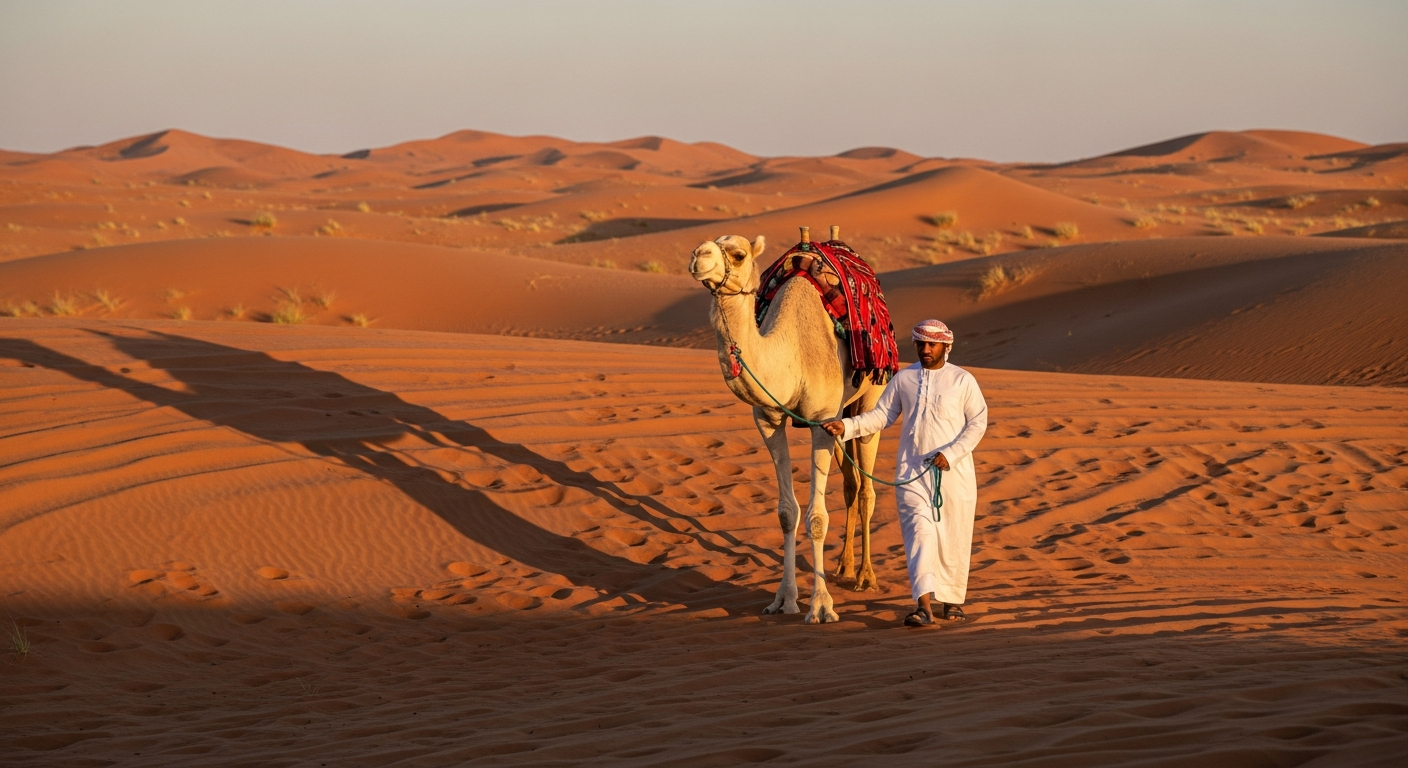
When browsing options connected with AL Qudra Tours, keep the same focus on practical details. A clear description helps you understand what the ride involves and whether it matches the pace you have in mind.
Match the buggy to your driving comfort
Not all buggies feel the same. Some are simpler to handle, while others feel more powerful and responsive. If you have little or no off-road driving experience, choose an option that gives clear instructions and avoids pushing you beyond your comfort zone. Driving over sand requires different judgement from driving on a road. The surface shifts, traction changes and small mistakes can feel more dramatic than expected.
Ask whether driving is shared or whether each person gets a turn. Shared driving can work well for couples or friends, but it needs clear expectations about who drives and when. If everyone wants time behind the wheel, confirm that before booking. Also check whether passengers ride in the same vehicle and whether there are any age or height requirements. These points matter more than they may first appear, especially for families.
A useful way to judge fit is to consider your confidence with basic vehicle control. You do not need to be an expert, but you should be comfortable listening to instructions, reacting calmly and following a lead vehicle. If the idea of steering over uneven sand feels stressful, a gentler option will likely be more enjoyable.
Look closely at the route and timing
The desert changes through the day. Midday heat can be intense, while late afternoon light can make the dunes look dramatic and the air feel easier. Timing also affects how the sand behaves. Softer surfaces can be more challenging, and wind can reduce visibility. A responsible operator will adjust plans when conditions are not suitable, so it is worth asking how weather affects the route.
Check where the ride begins and how you will get there. A convenient starting point can reduce stress, especially if you are staying away from the desert. Confirm meeting details, arrival time and what happens if you are late. This is not the most exciting part of planning, but it prevents a rushed start.
Route variety is another point to weigh. A path with wide open areas and gradual turns may suit a first ride. A route with tighter climbs and sharper descents can feel more thrilling but may not suit nervous passengers. Ask for a plain description of the terrain rather than relying only on dramatic wording. Terms like gentle, moderate and challenging can mean different things to different people.
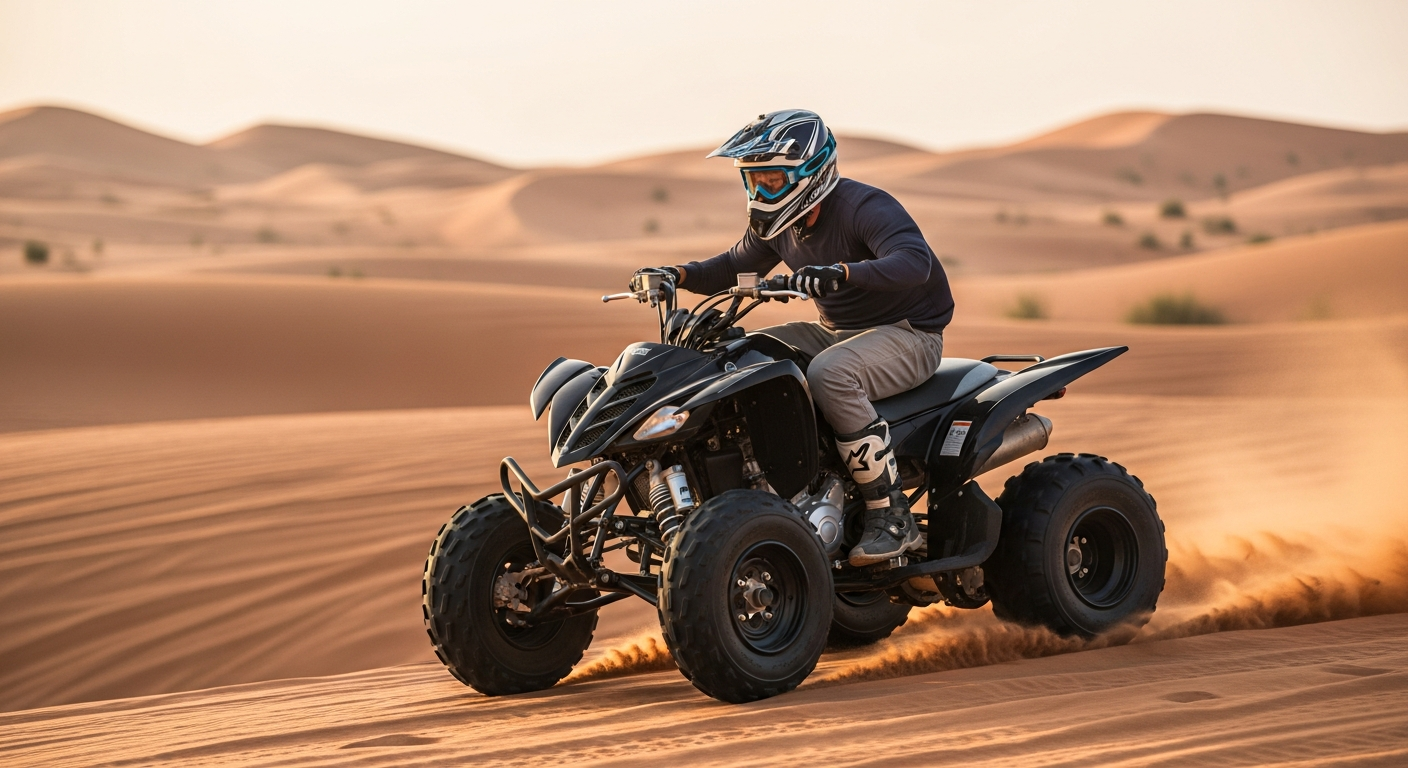
AL Qudra Tours may come up while you compare desert options, and the name can be useful as a reference point when checking details. Keep the decision anchored in the ride itself: pace, route, safety gear, timing and the experience level of the group.
Read the rules and the fine print
Before confirming anything, read the terms with care. Look for rules about age, driving eligibility, passenger numbers, clothing, behaviour and what happens in case of damage. This is not about expecting problems. It is about understanding where you stand and avoiding awkward moments on the day.
Ask how the ride is managed if conditions change. Weather, visibility and desert terrain can all affect the plan. A clear answer should explain whether the route can be shortened, delayed or adjusted. Avoid any option that seems to treat safety as an afterthought or pressures riders to continue when conditions are clearly poor.
Insurance and cover can be confusing, so ask direct questions if something is unclear. Find out what is covered, what is not and which documents you may need to bring. Keep the answers in writing where possible. This helps you compare fairly and gives you a reliable reference before the ride.
Prepare for the day itself
On the day, arrive with enough time to listen to the briefing and get settled. Pay attention to the instructions about speed, following distance, hand signals and what to do if you lose sight of the group. In off-road driving, the safest approach is usually steady and predictable. Sudden turns, aggressive acceleration and showing off on sand can put riders and vehicles at risk.
Wear sensible clothing that protects you from sun and sand. Closed shoes are better than sandals. A helmet should sit securely, and goggles should be comfortable before the ride starts, not after you are already in position. Bring water if it is not supplied, and take breaks when needed. Heat can dull concentration, so drinking fluids and resting matters more than many people expect.
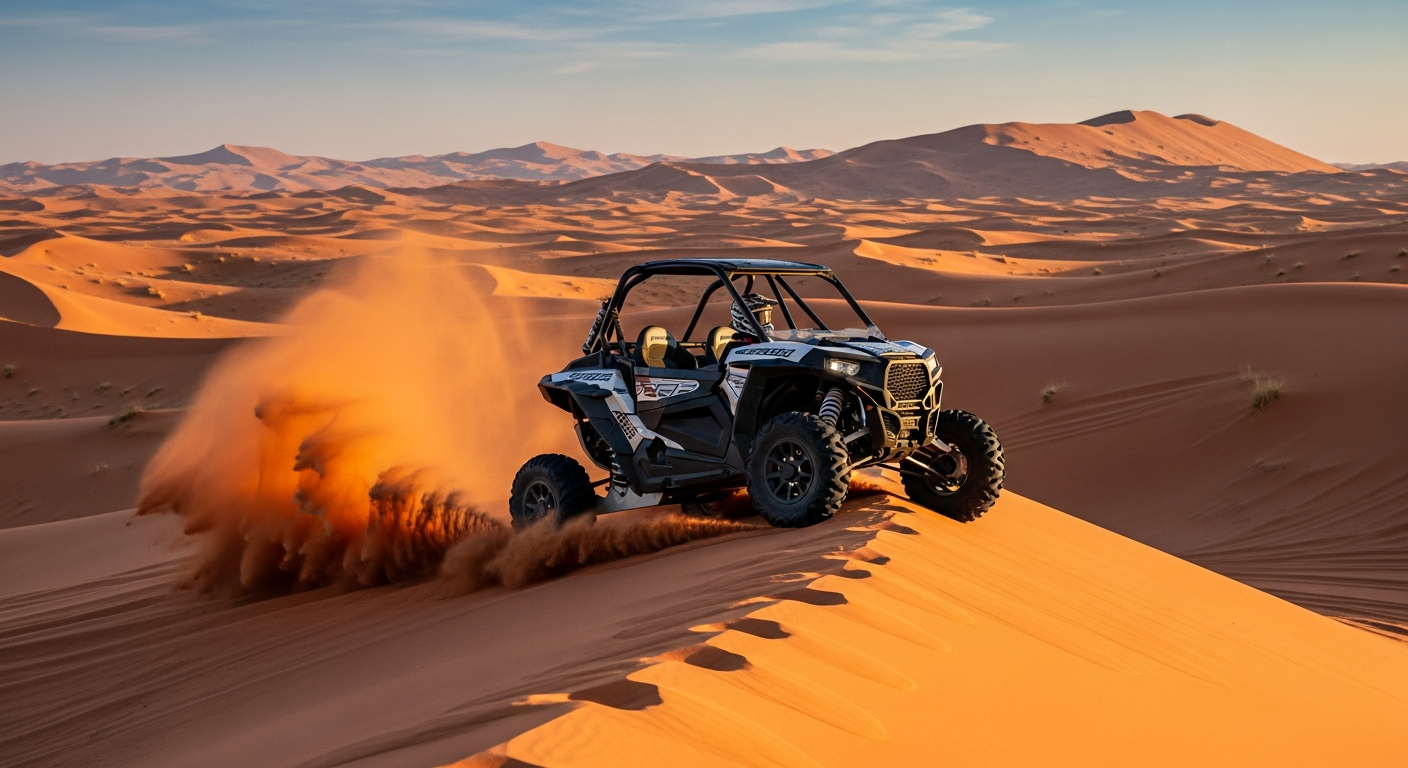
During the ride, watch the terrain ahead rather than focusing only on the vehicle in front. Sand dunes can hide dips, hard patches and sharp turns. Keep a steady line, follow instructions and avoid drifting away from the group. If anything feels wrong, say so early. A good experience depends on clear communication, not on pretending to be more confident than you feel.
Know what to watch for as you decide
A trustworthy choice tends to be clear about the experience from the start. Details are easy to find, questions receive direct answers, and the pace is described in practical terms. Be cautious if the emphasis is only on speed or if safety information is missing. A dune buggy ride in Dubai should feel exciting, but it should also feel organised from the first conversation to the final stop.
The best choice is usually the one that fits the group, not the one that looks most dramatic online. Consider comfort, route, timing, safety gear and the clarity of the terms. Once those pieces line up, the ride is far more likely to feel memorable for the right reasons. Take your time, compare carefully and choose an option that lets you enjoy the desert with confidence.